Gina got the lid off on the second try and handed the jar to her son anyway. He opened it with two fingers and looked at her like she had asked him to explain taxes.
That was April, and it was the first time the number on the scale and the body in the mirror stopped telling the same story.
Gina started keto in January, and twenty-two pounds came off in about four months. Her jeans from 2019 fit again. Every shift, someone said something nice. The tiredness bothered her more than the jar did. Sleep didn't touch it, and her arms looked long instead of strong in the mirror. She had lost weight. She had just never asked what she'd lost.
Most people never do, because the scale reports one thing and we have all agreed to call it the truth. It drops fast in the first two weeks, and that feels like proof. Then it slows. Then it stalls. If it ever creeps back up, the story you tell yourself is about discipline, or the lack of it, which is the same self-blame that makes people quit.
Almost nobody asks the more useful question: when the number dropped, what exactly walked out the door?
The scale measures weight. It doesn't measure what you lost. Those are not the same thing.
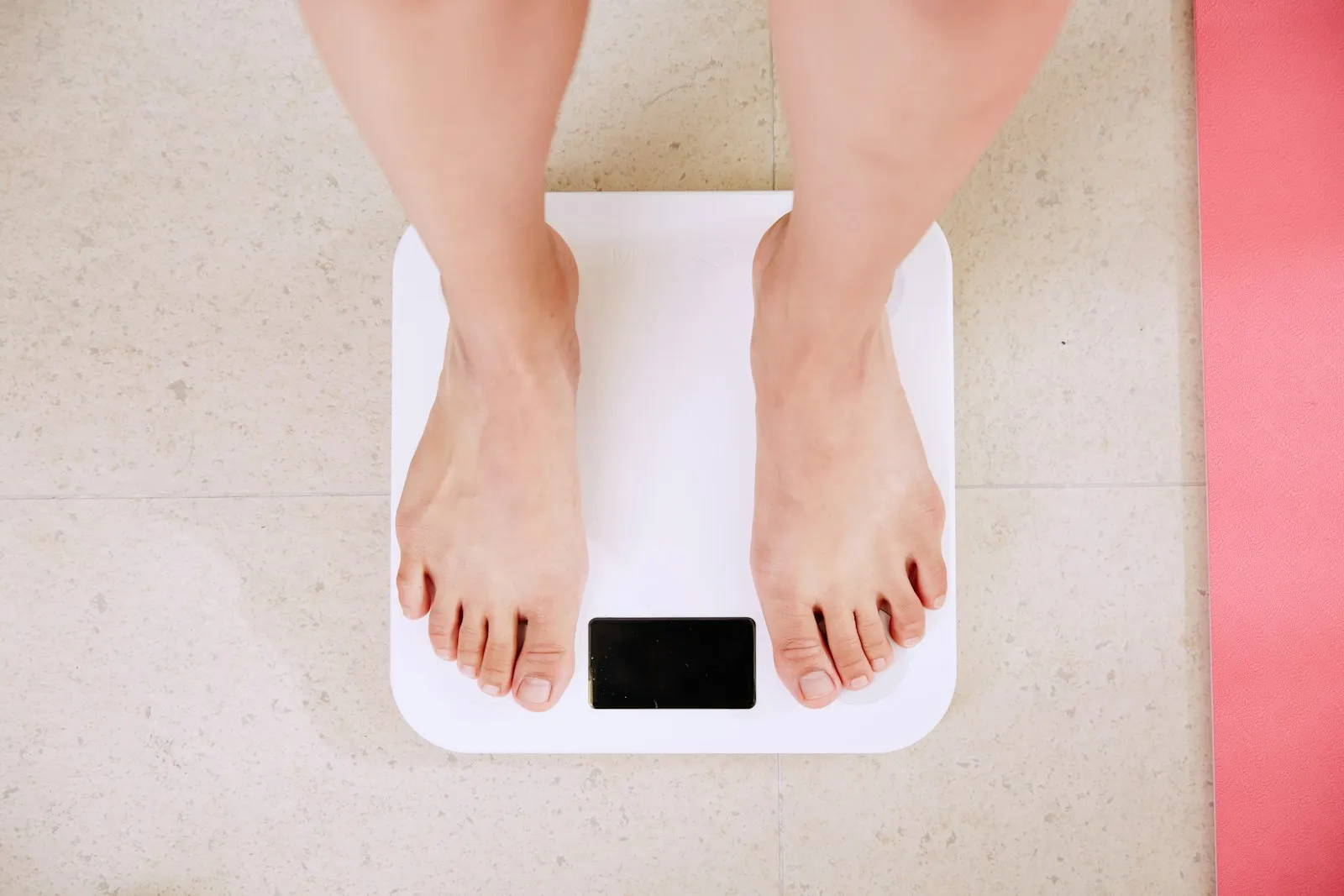
The scale tells you less than you think
Your body isn't one material. For weight loss, it helps to think in two buckets: fat mass and lean mass.
Lean mass is everything that isn't fat. Muscle, bone, organs, and a lot of water. A scale weighs the whole pile at once. It cannot tell you whether the pound you just lost came off your belly or your bicep. It hands Gina and her gym-going neighbour the same grade for two completely different outcomes.
That ambiguity is fine when you have fat to spare. It becomes a problem when lean mass starts paying the bill. Cut carbs hard and your body dumps water fast, because glycogen stores water with it. The first big drop is mostly fluid, and it feels dramatic. Great for motivation, useless for understanding. By the end of the first month, what matters is what's left of your body, and whether the tissue you gave up was the tissue you wanted gone.
This matters well beyond how anyone looks. Muscle isn't decoration. It carries your groceries, climbs your stairs, keeps your metabolism from sliding as you age, and helps your body manage blood sugar. Losing it quietly is the kind of thing you don't notice until a year or two later, when you're lighter on the scale but somehow more fragile than you have ever been. Gina noticed in a jar of pickles.
What the research actually found
If you go looking for a clean answer on keto and muscle, you won't find one. The evidence is mixed, and the honest thing is to say so.
A 2025 review in BMC Nutrition looked at what ketogenic diets do to muscle mass, strength, and aerobic capacity. The short version: these diets can work well for weight loss, but they don't automatically protect muscle, and the outcome depends heavily on what else the person is doing.
A separate analysis of healthy adults found that a ketogenic diet reduced lean mass disproportionately during weight loss, and that women tended to be affected more than men. Two people can see the scale move in roughly the same way while underneath it, one body is giving up more muscle than the other.
A third line of work, published in iScience, examined weight loss, body composition, and how well people stuck with a ketogenic approach. It found real weight loss, and it found that what that loss was made of depended heavily on the surrounding habits: protein intake, activity, age, how aggressive the deficit was. Not on ketosis alone.
Put together, "keto eats your muscles" is the scary headline, and it's too simple. The truer version is quieter and more useful. A very low-carb diet creates conditions where muscle loss can happen if you don't actively defend against it. Most people following a food list aren't defending against it, because nobody told them it was a fight.
When you read studies like these, watch the gap between averages and individuals. A group average hides a lot. Some participants keep their muscle easily on keto. Others lose more than they bargained for. Which group you land in has less to do with the diet's label and more to do with protein, training, age, and how hard you're cutting. The study shows you which way the wind blows. It doesn't tell you where you'll be standing.
The diet doesn't decide whether you lose muscle. What you do alongside it does.
Why women and people over 40 are hit hardest
Gina is in both groups, which is why the pickle jar was never really about the pickle. She's 47, and she works nights in a hospital emergency department, so her sleep is already a negotiation with a body clock she never agreed to. She has a 16-year-old who treats the fridge like a challenge and a 9-year-old who still wants to be carried up the stairs. The wine on her off-nights, two glasses and sometimes a third because the ER does not give you easy days, was part of the picture too.
Women generally carry less muscle than men to start, so the same absolute loss represents a bigger share of what they had. The analysis noting disproportionate lean-mass loss in women is a signal worth taking seriously rather than waving off.
For adults over 40, there's a second, slower thing working in the background. Muscle naturally declines with age, a process called sarcopenia, gradual and easy to ignore until suddenly it isn't. A diet that speeds that up, even a little, is pushing you the wrong way. The difference between looking lean and looking drawn usually comes down to how much of the weight that left was fat, and how much was the structure holding you up.
There's a practical edge to it too. When you're 25, a mistake gets corrected by a body that forgives you. At 47, the same mistake compounds, and rebuilding lost muscle takes longer than simply keeping it while you lose fat. Gina's night shifts, her 47 years, and four months of aggressive keto had quietly stacked the odds against her, because nobody had named the risk.
If you're in either group, the answer isn't to quit low-carb. It's to protect muscle on purpose, the way you'd protect your sleep or your budget.
The fix isn't "eat more carbs"
When people hear "you might lose muscle on keto," a lot of advice jumps straight to "then eat more carbs." That misses the point.
Carbs aren't magic for muscle. Protein and resistance training are. Carbs can help performance and recovery in some contexts and matter for hard-training athletes, but you don't need to abandon a low-carb approach to keep your muscle. You need enough protein, and you need a reason for that muscle to stay.
Two things signal your body to hold onto muscle:
- Adequate protein, which supplies the raw material and the signal that muscle is still in use.
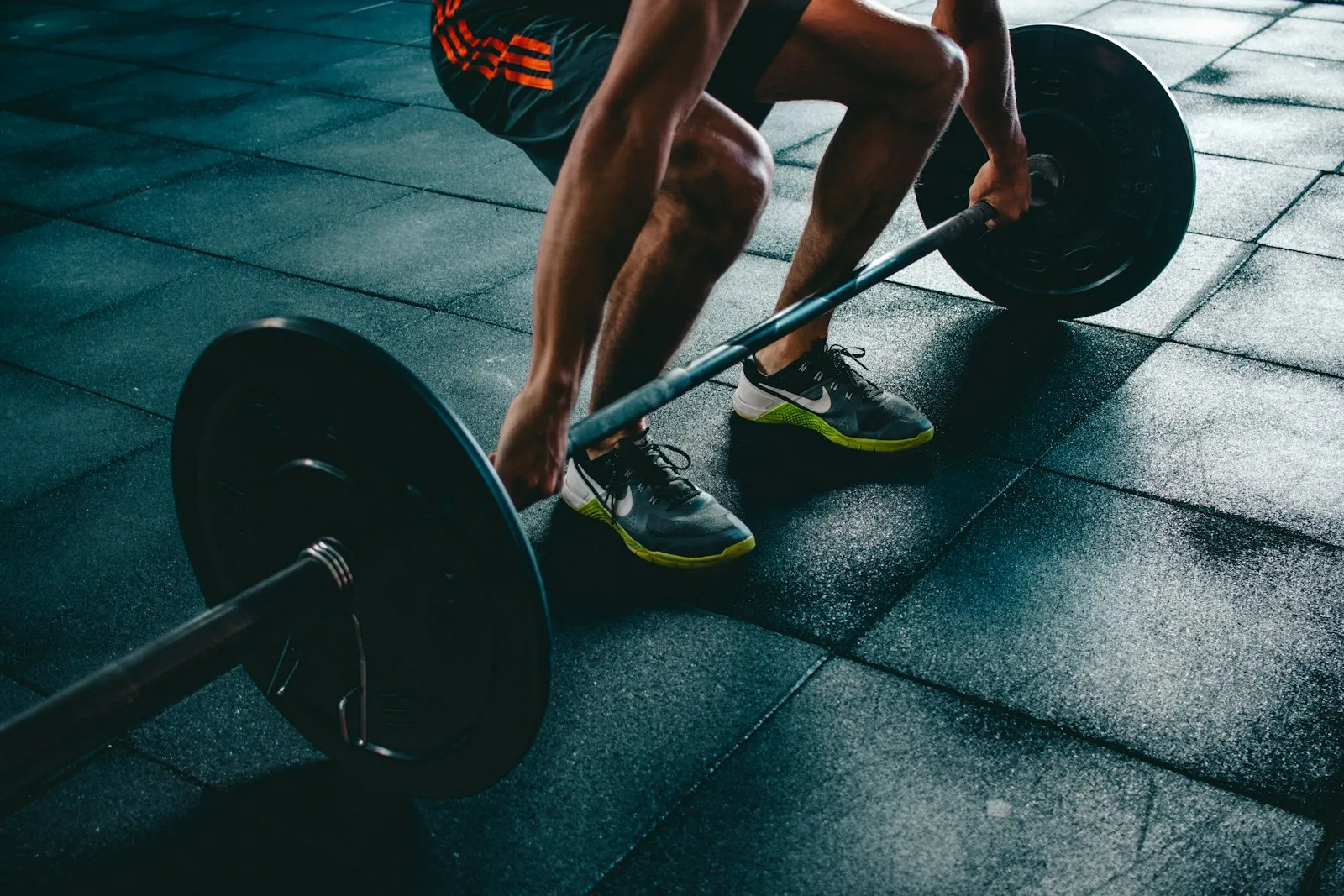
- Resistance training, which tells your body the muscle is load-bearing and worth the cost of keeping.
Do those two things and the muscle-loss problem largely stops being a problem. Ignore them and no amount of "clean" eating changes the arithmetic.
How much protein, really
Protein is where most low-carb eaters quietly under-eat. Fat is easy on keto. Protein takes intention.
The general guidance for adults trying to preserve muscle during weight loss is roughly 1.6 grams of protein per kilogram of body weight per day, with some researchers arguing higher is better once you're in a calorie deficit and over 40. For a 75 kg person, that's around 120 grams a day, spread across meals rather than crammed into one. When Gina did the math on her own diet, she was hitting maybe half of that: coffee and eggs for "breakfast," a salad and cheese at work, whatever was quickest at 3 a.m.
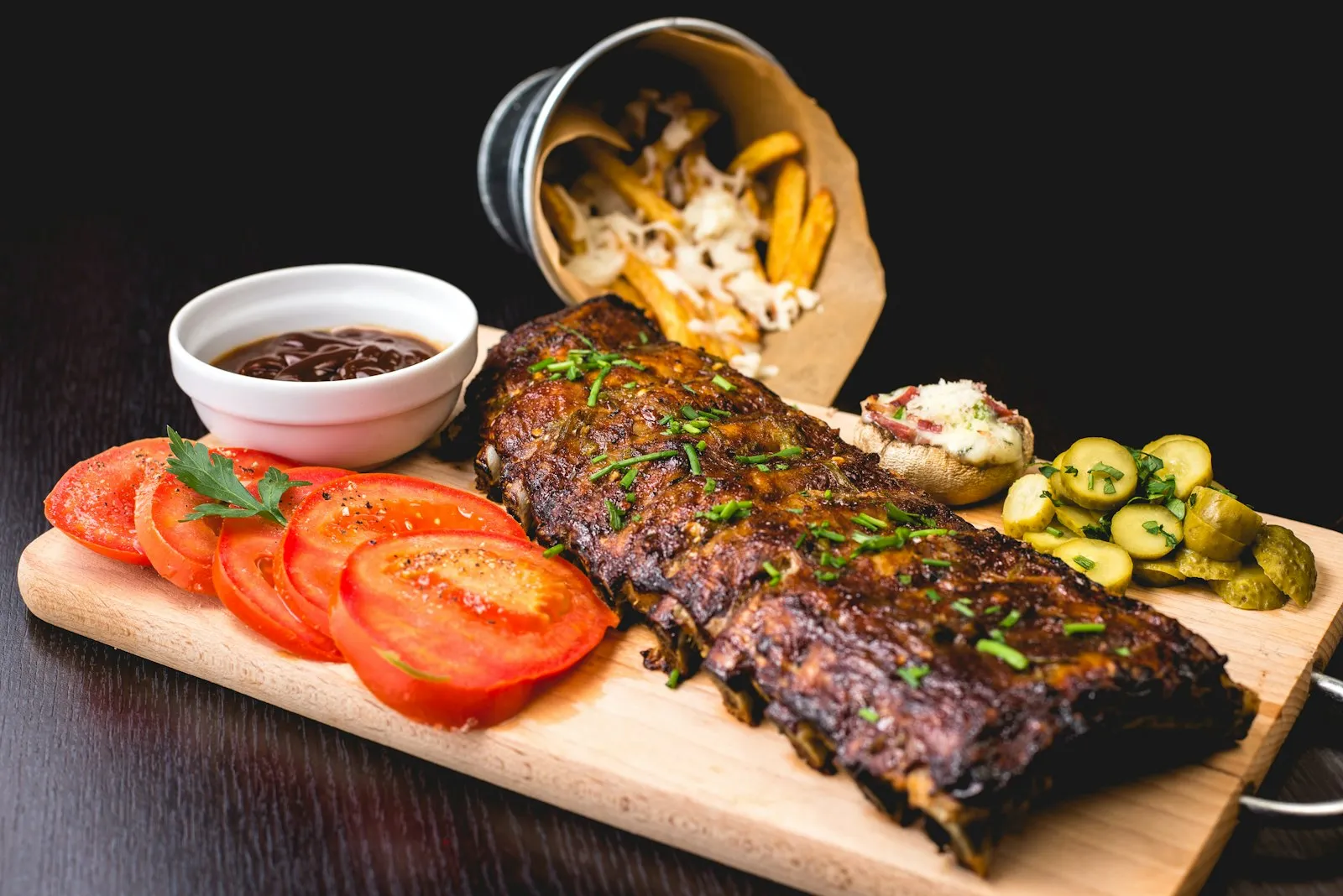
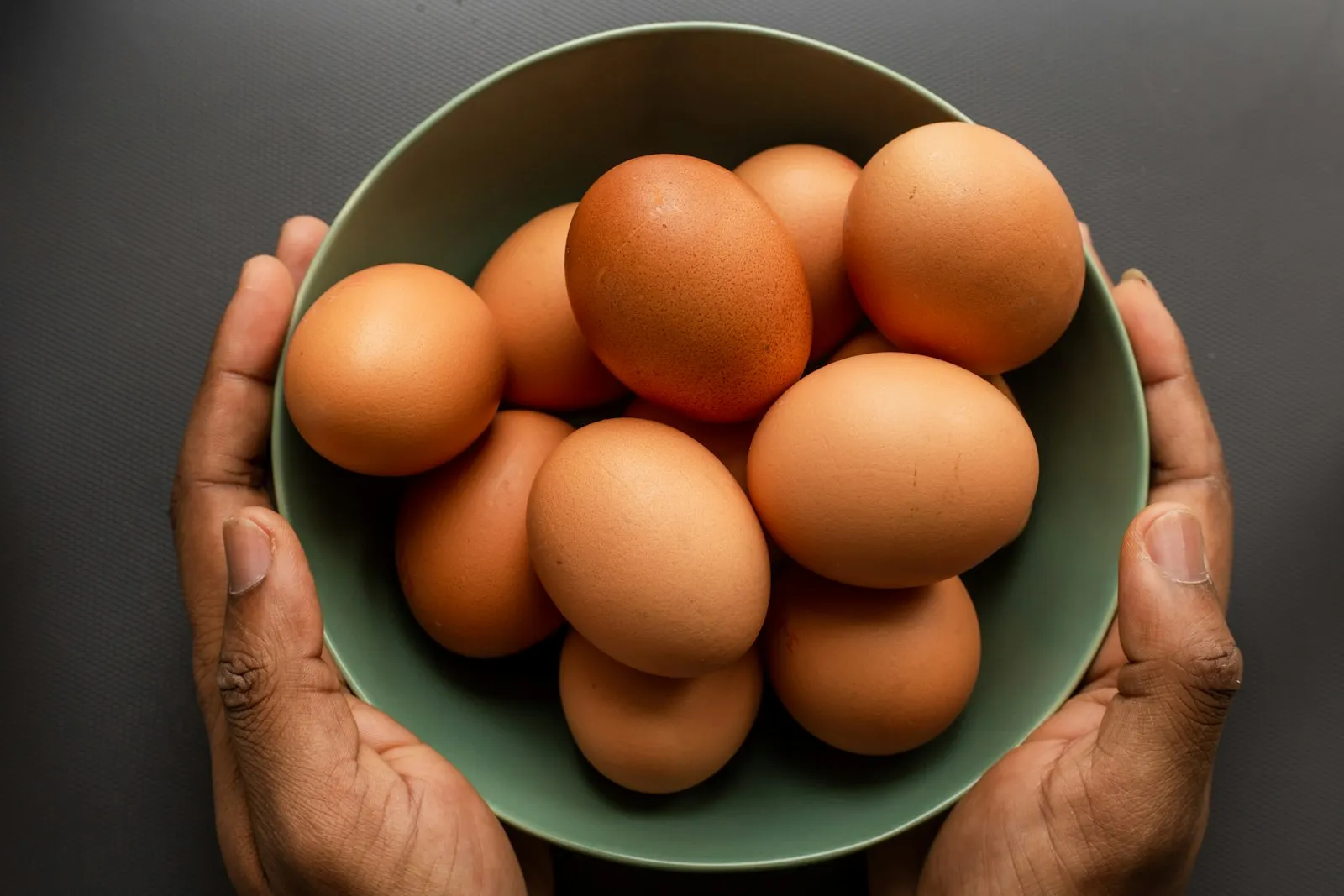
You don't need powders to close the gap. Real food does the job. Eggs, meat, fish, poultry, cheese, Greek yogurt, and for plant-leaning eaters, tofu, tempeh, and legumes in moderation. A palm-sized portion of a protein food at each meal is a reasonable starting rule of thumb. That said, when a week makes a shake the only realistic hit, a third-party tested whey isolate is the version worth trusting, because the test reports are published rather than just claimed.
Timing is simpler than the supplement aisle suggests. Your body responds better to protein spread across the day than to one giant dinner serving. Three or four moderate hits beat one heroic one. That means a protein-led breakfast matters more than people expect, because it's the meal most keto eaters quietly skip or fill with fat.
A few honest notes:
- Protein has a satiety bonus. It keeps you full, which makes the whole diet easier.
- Hitting protein is usually cheaper than people fear. Eggs, canned fish, ground meat, and chicken thighs are among the least expensive protein sources there are.
- If you have kidney disease or another condition that affects protein handling, talk to your doctor before raising intake. This isn't a blanket rule for everyone.
On keto, most people don't under-eat fat. They under-eat the one nutrient that actually protects their muscle.
Keep the muscle, not just the number
One short email a week on eating low-carb without losing what you built. No dogma, unsubscribe anytime.
Stop weighing. Start measuring.
If the scale can't tell you what you lost, you need tools that can. You don't need a lab. You need a handful of measurements you repeat the same way.
- A tape measure: waist, hips, chest, thigh, arm. Same spots, same time of day, once a week. If your waist shrinks while your weight barely moves, you're losing fat and keeping muscle. That's the outcome you want, and the scale would call it a stall.
- A strength benchmark: how many push-ups, how much you can lift, how many stairs before you're winded. If your strength holds while your weight drops, your muscle is holding too. If it's sliding, that's your early warning.
- Progress photos: uncomfortable, useful. The difference between "lean" and "drawn" shows up here before it shows up anywhere else. Gina's April photo and her January photo finally explained the jar.
Track these monthly, not daily. Daily noise will make you crazy. Monthly trends tell the truth. Body-fat scales and smart scales can help, but treat their numbers as a rough trend rather than a precise reading. A tape measure has never lied to anyone.
A week that actually protects muscle
You don't need a bodybuilder's schedule. You need a structure you'll keep on a normal Tuesday. Or, if you're Gina, on a normal Thursday-night shift when the ER has other plans.
Protein floor, every day. Pick a daily number you won't go under, and build meals around it. Hit it even on the days you don't train. If tracking every gram by hand is the thing that makes you quit, a meal service that prints the macros on every meal does the counting for you.
Two to four lifting sessions a week. Full-body is fine. Squats, hinges, a push, a pull, a carry. Gina started with a trainer, Marco, twice a week, because her knee needed a careful re-entry after the ACL repair she never properly rehabbed. If you're new to this, a qualified trainer or a physical therapist can set you up safely in a few sessions, and that investment pays for itself in preserved muscle.
Walk, don't overdo cardio. Some movement is good. Endless cardio on a big deficit is not the best way to keep muscle, and it makes your appetite harder to manage. Beans, the rescue dog who wakes Gina at 5:45 p.m. every day because that is when Beans has decided the day begins, got a longer evening walk out of it, which Gina considers the best part of the whole program.
Sleep like it's part of the program. Poor sleep raises stress hormones and makes muscle harder to hold onto, and if keto is wrecking your nights, that's a fixable problem, not a personal failure. Seven hours is a reasonable target, and it makes every other item easier to hit. Gina's night shifts make this the hardest line on the list, and she's the first to admit she doesn't always win it.
When keto and muscle really do pull apart
There's one honest edge case worth naming. If you're chasing performance in a power sport, doing high-volume hard training, or you're already very lean and trying to get leaner, strict keto can become a fight you keep losing. Very lean bodies have less fat to spend, so more of any deficit comes from muscle. In that specific situation, a flexible approach that includes some carbs around training can protect more muscle than strict keto would.
That's not dogma in either direction. It's the same principle as everything else here: match the tool to the goal. For most people losing weight and trying to feel better in their body, which is exactly Gina's job, a well-built low-carb diet with enough protein and some lifting works beautifully. For a small group with specific athletic goals, it may not be the ideal tool.
Where Gina is now
She didn't fix it in a month, and she'd tell you it's not fixed at all.
Four months in, she's still on keto, still on nights, still having her wine on off-days. But there's protein at every meal now, and a number she refuses to go under. There's a barbell twice a week with Marco, and a tape measure on the bathroom shelf that she reads more often than the scale. She can open the pickle jar again, most of the time. Her 16-year-old has stopped being summoned for lids, which he claims is "the real win."
The point of all of this was never to scare anyone off keto. It's to change the scoreboard. Weight loss that costs you muscle isn't a clean win, no matter what the scale says. Weight loss that keeps your strength, shrinks your waist, and leaves you with a body that can still do things is the outcome worth chasing, and it's fully reachable on a low-carb diet.
The short version to carry with you:
- The scale is a partial report card. It can't tell fat from muscle.
- Very low-carb diets can cost lean mass if you don't defend it, and women and people over 40 should watch this closest.
- Protein and lifting are the defense, not extra carbs or extra willpower.
- Measure what the scale can't: your waist, your strength, your photos.
- Stay flexible. Your body isn't a religion, and neither is your way of eating.
Feed your muscle, lift something heavy now and then, and measure the right things. Do that, and the number on the scale settles into what it was always meant to be: one data point, not a verdict.
Sources
- BMC Nutrition, Effects of ketogenic diets on muscle mass, strength, and aerobic capacity: link.springer.com/article/10.1186/s41043-025-01090-z
- Ketogenic diet disproportionately reduces lean mass in healthy adults (with women affected more): pmc.ncbi.nlm.nih.gov/articles/PMC11243114/
- iScience, Ketogenic diet, weight loss, body composition, and adherence: doi.org/10.1016/j.isci.2024.111291