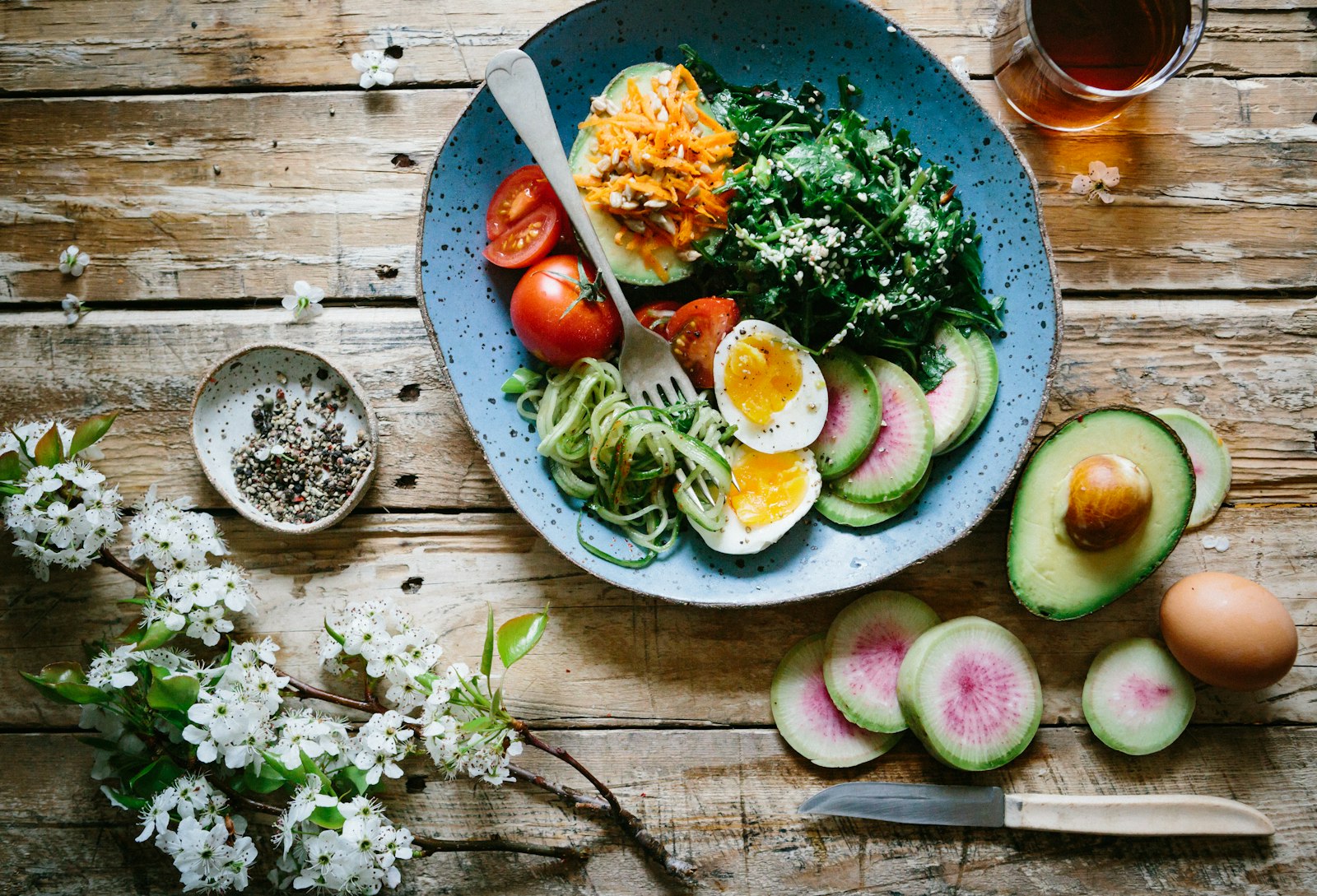
There's a version of prepared food that most people picture, and it isn't flattering. A grey tray, a film lid, a meal that looks like the photograph on the box only in the loosest sense. Frozen, reheated, and technically on-plan.
There's another version, and it's worth knowing it exists. Fresh-prepared meals, cooked within days of arriving, built from ingredients with a traceable source. The gap between the two is bigger than most people realise, and it turns entirely on two words: fresh, and where it came from.
Frozen and fresh are not the same product
This isn't a snob thing. Frozen vegetables are genuinely as nutritious as fresh ones, often more so, because they're frozen at peak. That's not the issue.
The issue is what "frozen prepared meal" usually means in practice. Freezing is a method for making food survive a long shelf life at scale. That scale pushes toward stabilisers, sodium, and recipes designed to hold up after months in a freezer rather than taste good on a plate. Some frozen keto meals are fine. Many are a compromise dressed up as convenience.
Fresh-prepared meals work on a completely different clock. Because they're meant to be eaten within days, not months, they don't need the engineering. Less sodium to compensate for freezer damage, fewer preservatives, better texture on reheating, and a cook who can actually taste the food as they make it.
Freezing exists to defeat time. Fresh cooking doesn't have to fight it, so it doesn't have to hide anything.
What "farm-source" actually means
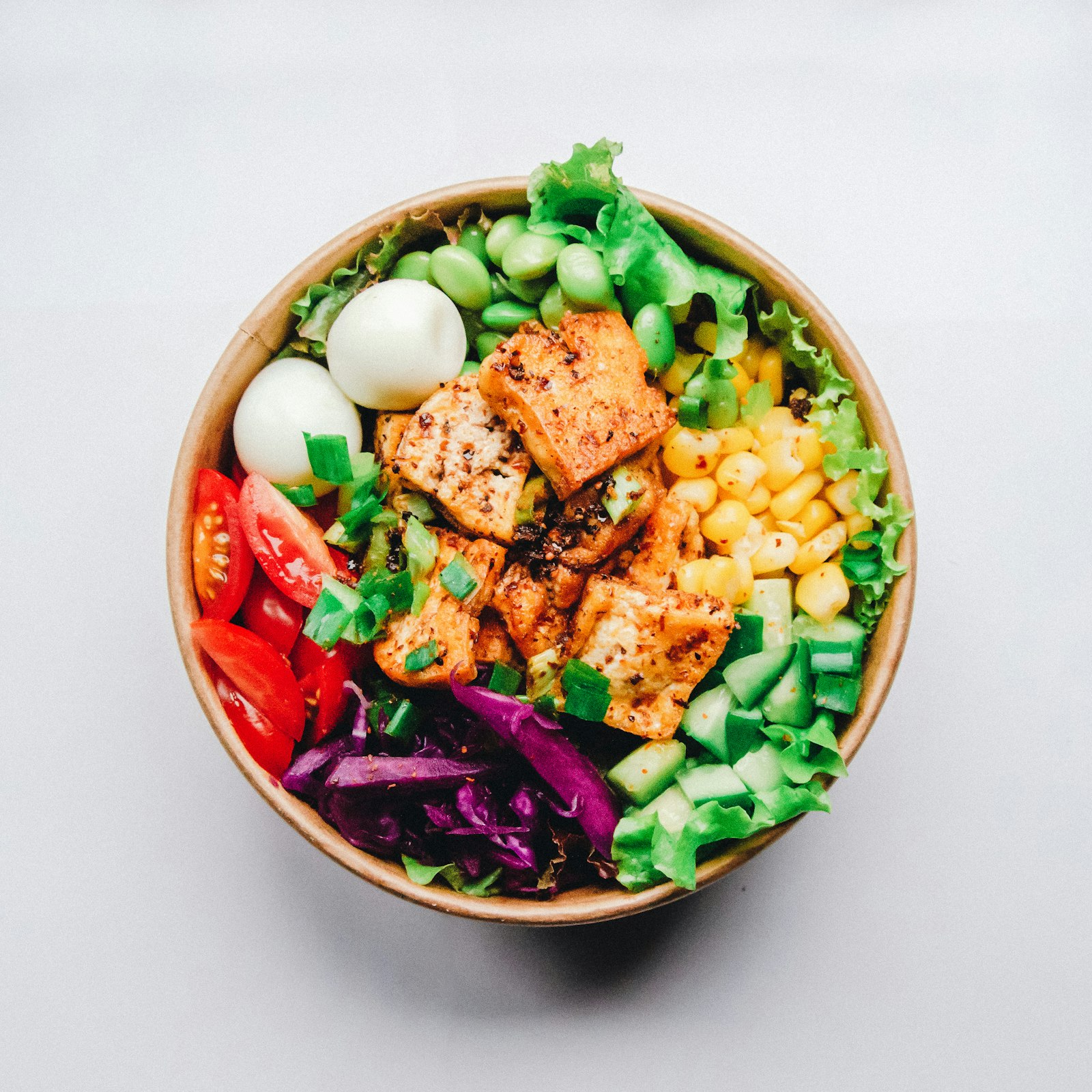
"Farm-source" is one of those phrases that gets used loosely, so it's worth being precise. Done properly, it means ingredients sourced from identifiable producers rather than from anonymous commodity supply chains, with a supply chain short enough that the food is close to the state it was grown in.
That matters more on keto than on a standard diet, for a simple reason. When carbohydrates are low, fat and protein become the bulk of your intake. Those are the two things most affected by how food was raised and what it was fed. A diet built on animal fat and animal protein is, by definition, a diet where sourcing quality has an outsized role.
The practical way to judge this claim is to look for specifics. A company that names its producers, or describes its sourcing region, is telling you something. A company that just prints the word "farm" on a label is telling you nothing.
Why fresh-prepared works when frozen doesn't
The real argument for fresh-prepared service isn't nutrition labels. It's that it addresses the actual failure mode of dieting, which is the exhausted evening.
A frozen diet tray you don't want to eat is not much more appealing than cooking you don't want to do. The whole point of prepared meals is to make the easy choice the good one. If the food is genuinely good, the plan survives. If it's a compromise, you'll tolerate it for two weeks and then order pizza, and you'll have paid a premium for the privilege.
This is where the kitchen behind the meal matters more than the marketing. The Good Kitchen is one of the services built around fresh preparation rather than a freezer pipeline, and you can see the fresh-prepared keto meals they run as an example of the model done properly: cook it fresh, get it to you fast, let the food do the arguing.
The honest caveats
None of this makes fresh-prepared meals a perfect answer:
- They cost more. Fresh is a shorter shelf life and a smaller batch, and you pay for both.
- You have to eat them on time. A fridge full of food that expires in four days is a deadline, and some weeks you won't hit it.
- Delivery windows are real. Someone has to be there, or the food has to survive on a doorstep.
- It's still someone else's recipe. Portion size and seasoning are theirs, not yours.
The people who get lasting value from it tend to be the ones who use it to patch the weakest part of their week, not to replace cooking entirely. Three fresh meals that arrive on a Monday and cover the busy nights will do more for your consistency than a full week of trays you start resenting by Wednesday.
The best prepared meal is the one you're still glad to open in week four.
If you want to go deeper, choosing an organic meal kit and keeping carb intake in check pick up where this leaves off.
Sources
- US Department of Agriculture, FoodData Central: nutrient data on fresh, frozen, and prepared foods. https://fdc.nal.usda.gov/
- Harvard T.H. Chan School of Public Health, The Nutrition Source: food processing and health. https://www.hsph.harvard.edu/nutritionsource/processed-foods/
- The Good Kitchen: fresh-prepared meals. https://thegoodkitchen.com/
This article is educational, not medical advice. It isn't a substitute for care from a qualified professional. If you're pregnant, managing a chronic condition, or taking medication, talk to your doctor before making significant changes to how you eat.