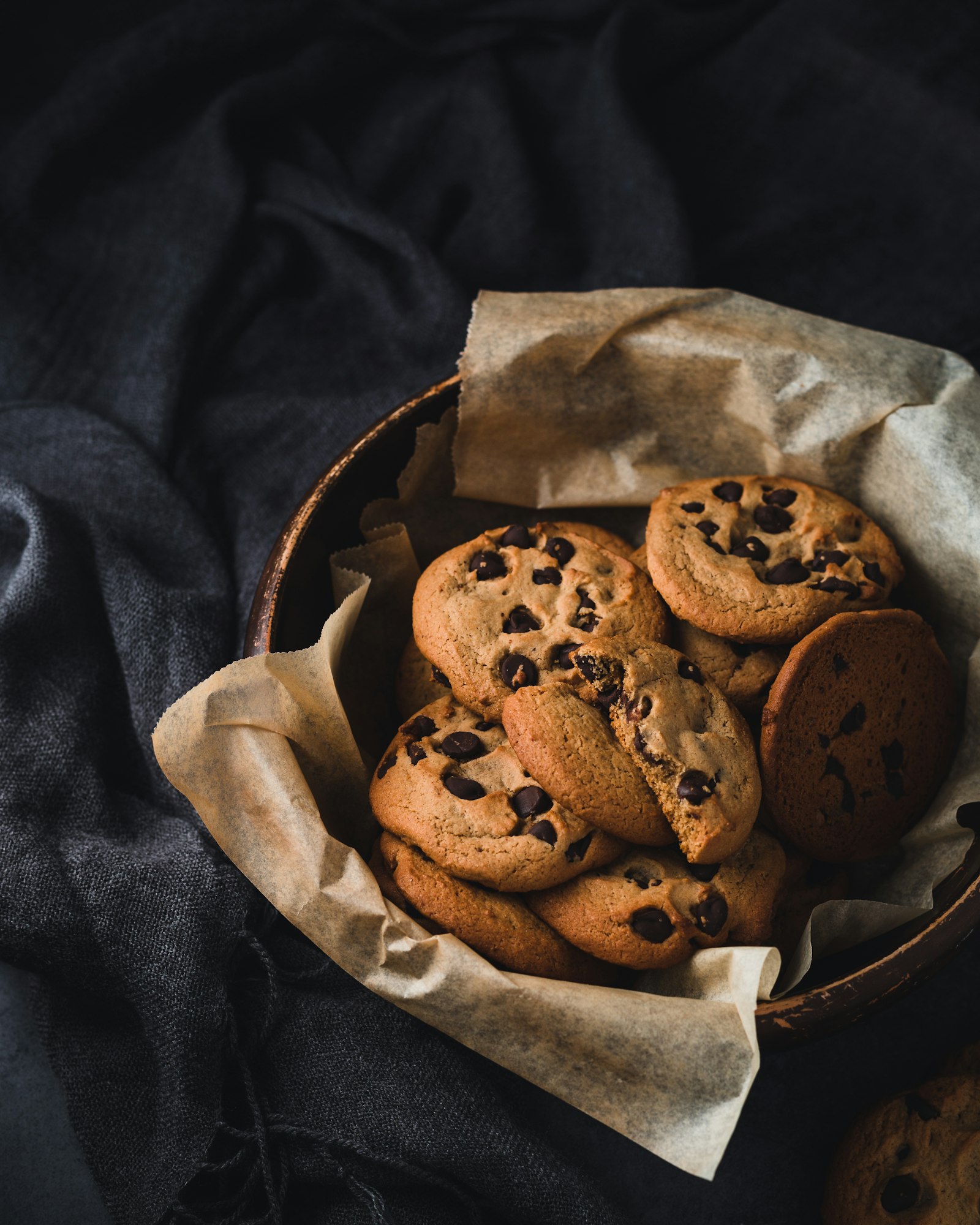
The first batch of brownies Priya baked after going low-carb came out of the oven looking perfect and tasting like a chemistry experiment, and forty minutes later she was on the bathroom floor.
It wasn't food poisoning. It was erythritol, about sixty grams of it, in a recipe that had been written for people who tolerate sugar alcohols better than she does. Her sister had made the same recipe the week before with no problem at all.
That's the thing about sugar-free baking. It's not one substitution you make once. It's a set of separate ingredients with separate behaviour, and the recipe writers who sell you "keto sugar" as a single thing are skipping the part that matters.
Why sugar is doing more than sweetening
You can't just remove sugar and keep the recipe, because sugar was never only a sweetener.
In a cake or a cookie, sugar does at least four jobs. It sweetens, obviously. It holds water, which is why baked goods stay soft for days instead of going stale overnight. It feeds the browning reactions that give you the golden crust and the flavour you associate with baking. And it contributes bulk, which affects how the whole thing holds together.
Swap it for a sweetener that only does the first job and you get the predictable result: a pale, dry, slightly hollow-tasting thing that crumbles. This is why so many first attempts fail, and it's not the sweetener's fault. It's the missing three jobs.
Sugar was never just sweet. It held water, browned the top, and gave the batter something to stand on.

The sweeteners, sorted by how they actually behave
There are four families you'll meet, and they are not interchangeable.
Sugar alcohols: erythritol, xylitol, maltitol. These are the ones that made the "keto" sweetener name and also the ones that cause the trouble. Structurally they're close to sugar, so they sweeten like it and brown reasonably well. Erythritol is about 70 percent as sweet as sugar and, unusually among them, is largely absorbed before it reaches your gut bacteria, which is why it's the gentlest of the three. Xylitol browns and behaves beautifully and is lethal to dogs, so keep it out of a house with a dog. Maltitol has the highest glycaemic impact of the group and the worst reputation for bloating.
The whole family shares one property: a portion of it reaches your large intestine undigested, where bacteria ferment it. That's gas, and for some people, a genuinely miserable afternoon. The Food and Drug Administration requires a warning on labels of foods containing sorbitol and mannitol noting that excess consumption may have a laxative effect. Priya's forty minutes were that warning, experienced rather than read.
Fibre sweeteners: inulin, chicory root, soluble corn fibre. These don't sweeten much on their own. They're there to replace sugar's bulk and texture, and to soften the mix so you don't get that gritty crystallised feel. They carry their own digestive caveat, though, because they're fermentable fibre and behave the same way in your gut as the sugar alcohols do.
Monk fruit and stevia. Plant-derived, hundreds of times sweeter than sugar, and effectively zero impact on blood sugar. Their weakness is the other three jobs: no bulk, no browning, and a bitterness that some people taste and others don't. Stevia in particular has a liquorice backnote that shows up more in baked goods than in drinks. These sweeteners need a partner.
Allulose. The interesting one. Chemically it's a sugar, just one your body struggles to metabolise, so it passes through with almost no glycaemic effect. Because it's structurally a sugar, it browns, it holds moisture, and it comes closer to feeling like sugar in a batter than anything else on this list. It also produces less of the gut fermentation effect. Its main quirk is that it's only about 70 percent as sweet, so recipes need slightly more, and it caramelises faster than you expect.
The blend is the recipe
Once you see sugar as four jobs rather than one ingredient, the strangeness of low-carb baking recipes stops being strange.
The good ones blend a browning and bulk-capable sweetener, usually allulose or a sugar alcohol, with a small amount of a high-intensity one for the sweetness that the first one lacks. Then they add structure and moisture back some other way. That's what almond flour, protein powder, psyllium husk, yoghurt, or a spoon of cream are doing in those recipes. They're not flour substitutes. They're the second half of the sweetener.
Every decent low-carb baking recipe is a small engineering project. Read it like one and it stops failing on you.
One honest email a week on low-carb food
No dogma, no guilt, no twelve-step sugar replacement rituals. Unsubscribe any time.
Practical rules that save you a wasted batch
Start with half the usual sweetener quantity and work up. Low-carb sweeteners taste sweeter to some people and less to others, and the recipe author's palate isn't yours. Two-thirds of a batch that tastes right beats one that tastes chemical.
Blend two sweeteners, not one. Allulose or erythritol for the body, monk fruit or stevia for the top note. You want the sweetness without the bitter edge that a single high-intensity sweetener leaves. A baking sweetener range built for exactly that blend takes the guesswork out of the ratio.
Go easy on sugar alcohols until you know your threshold. Twenty grams is where most people notice something. Sixty is where Priya noticed it dramatically. Introduce them slowly and don't test the limit on the night you're cooking for guests.
Expect browning to be slower, and don't fix it with the broiler. Without sugar's browning reactions, low-carb bakes stay pale. Turning the heat up just dries the outside and leaves the middle raw. Bake slightly lower and slightly longer instead.
Buy chocolate that says no sugar alcohols, not just no sugar. This is where people get caught, because a bar can be sugar-free and still be built on maltitol. If you're baking with a low-carb chocolate, read the ingredient line, not the front of the pack. A house that builds its range around stevia and monk fruit rather than sugar alcohols, like the one most low-carb desserts copy from, tends to be honest on that label, and it's the difference between a batch everyone enjoys and one that keeps half the table in the bathroom. If you want a brand that made that choice deliberately, sugar-free chocolate made without sugar alcohols is the kind of thing to look for.
Taste the batter, not just the cookie. Sweetness and bitterness change with baking. If the raw batter has a bitter tail, the finished bake will too.
If you want to go deeper, cravings without sugar alcohols and when to indulge in low-carb treats pick up where this leaves off.
Sources
- Code of Federal Regulations, Title 21, Part 101: food labelling, health claims, and the laxative warning for sorbitol and mannitol. US Food and Drug Administration. https://www.ecfr.gov/current/title-21/chapter-I/subchapter-B/part-101
- Allulose and metabolic effects: review of the evidence. Nutrition Reviews, 2020. https://academic.oup.com/nutritionreviews/article/78/10/861/5812386
- ChocZero: sugar-free, no sugar alcohols, keto-friendly chocolate and syrups. https://www.choczero.com/
- Sugar alcohols and gastrointestinal tolerance: a review. Journal of the American Dietetic Association summary via PubMed. https://pubmed.ncbi.nlm.nih.gov/16720129/
This article is educational, not medical advice. If you have diabetes, a digestive condition, or take medication, talk to a qualified professional before making significant changes to how you eat.