The first night Renata woke at 3 a.m., she blamed Ivy.
Ivy is three, and three-year-olds wake at 2 for no reason at all, so Renata got up, sorted her, and went back to bed. The next night Ivy slept through, and Renata woke at 3 anyway. Then the night after that, and the night after that, staring at the ceiling with her heart going a little faster than it should, her brain helpfully reviewing the month's invoices and the exact tone of her ex's last text.
She had started keto ten days earlier, because a friend, Cass, had lost weight on it and would not stop talking about the mental clarity. The scale was down, and Renata did feel sharper. She just also felt awake at the worst possible hour. She is 38 and works in marketing, and she has been raising Ivy mostly on her own since the split last winter, so there was plenty to blame before keto even entered the picture.
She read somewhere that keto could do this, and went looking for an answer. She found a thousand people posting into the void, "I can't sleep on keto, is this normal?", with no good reply underneath.
If that's you, you're not imagining it, and you're not doing keto wrong, any more than the people who quit over keto flu were. Sleep trouble is one of the most common things people hit when they cut carbs hard, and one of the least talked about. Search "keto side effects" and you'll get headaches, cramps, keto flu. Search "I can't sleep on keto" and you'll find Renata.
Here's what keto insomnia actually is, why it happens, what the science says (spoiler: less than you'd hope), and the fixes that help most people get their nights back.
The two kinds of keto insomnia
People say "keto insomnia" like it's one thing. It isn't. There are two patterns, and they need different answers.
The early kind shows up in the first week or two of cutting carbs hard. You can't fall asleep. When you do, you wake at 3 or 4 a.m. and can't drift back off. You're restless, you flip around, and you feel like you slept in a car. If that's where you are, you're most likely in the adaptation phase, your body adjusting to running on fat and ketones instead of glucose, and that shift doesn't happen quietly.
The stubborn kind catches people who've been at it a month or more. You feel good in the day, you're losing weight, everything's going to plan, and you still wake in the middle of the night. Nothing obvious changed, so you start to wonder if this is just your life now. It usually isn't. But the fix is different, and it's less about waiting for adaptation and more about a few specific things you can adjust.
Renata had the early kind, layered on top of a toddler and a heart that was still mending. None of that made it less real. It just made it a puzzle with more than one piece.
Nobody puts it in the brochure, but the first sign you're in ketosis might be staring at the ceiling at 3 a.m.
Why cutting carbs keeps you up
Nobody knows the full story yet. A few explanations line up with what people actually report, though, and each one points to a different fix.
It starts with water and electrolytes. When you cut carbs hard, your body flushes out water, and sodium goes with it. You've felt this. You pee more in the first week, and you feel flat and foggy. Low sodium and fluid shifts can leave you jittery and unsettled at night, especially early on.
The sleep-chemical theory is next. A sudden drop in carbs may lower the things your body uses to build sleep pressure and sleepiness, chemicals like adenosine and melatonin. Adenosine builds up through the day and makes you feel sleepy by night. Weaken that signal and the pull toward sleep weakens too.
Then there's the lost carb nap. A bowl of pasta makes you drowsy an hour later for a reason. Carbs can raise serotonin and make sleepiness easier to come by. Strip them out and dinner no longer writes that cheque. You don't feel sleepy at bedtime, so you stay up later, and the whole rhythm shifts.
The one that fits the 3 a.m. wake-up best is cortisol and adrenaline. When you're running on low glucose and your body senses it overnight, it can respond by releasing stress hormones to nudge your blood sugar back up. That's a survival reflex, not a malfunction. The side effect is exactly what people describe: you wake up alert, heart going, mind sharp, at the exact hour you'd rather be dead asleep. For Renata, the reflex had a co-pilot. Since the split, she had got into the habit of a glass of wine at eleven and her phone in bed until midnight, and the wine was quietly wearing off at almost the same time.

None of this is a reason to panic or blame yourself. Your body isn't rejecting keto. It's doing what bodies do when the fuel changes fast.
What the research actually says
This is where most keto content isn't straight with you.
Keto insomnia is real, but the research on it is thin, and anyone who tells you the science is settled is selling something. Here's the actual state of it.
The Sleep Foundation, which medically reviews its own content, describes keto insomnia plainly: sleep disturbances that some people get when they adopt the diet. The common symptoms are trouble falling asleep, fragmented sleep, and restlessness. It also notes the phenomenon isn't universal. Plenty of people sleep fine, or sleep better. They theorise the cause is the immediate shift to low-carb eating and a drop in sleep-regulating chemicals, and they say sleep patterns often normalise as the body adapts to the new metabolic state. (Sleep Foundation)
There's a counterweight, though. A 2023 study covered by the Sleep Foundation found that 65 percent of participants who followed a low-calorie keto diet for a month reported sleeping better, improvements tied to the weight loss itself. For some people, keto isn't the problem. The extra weight they were carrying was.
Beyond that, a review published in European Psychiatry in 2024 looked at how effective a ketogenic diet is for sleep disorders and found the evidence limited and mixed, promising enough to study further, nowhere near settled. (PMC11862756)
And a sign of just how early this field is, much of the work being done right now is still at the stage of designing the studies. One 2022 protocol laid out how researchers intend to measure the effects of a ketogenic lifestyle on sleep, cognition, and behavior in people with mild cognitive impairment, sleep as an outcome, results still to come. (PMC9473641)
So the fair summary is this: keto insomnia is real, common enough to have a name, and understood only in outline. If it hits you, you're dealing with an under-studied problem, not a personal failing, and not something a stranger on a forum can settle for you.
Want the honest sleeping-vs-keto notes, no dogma
One short email a week. Real food, real nights, unsubscribe anytime.
The 3 a.m. wake-up
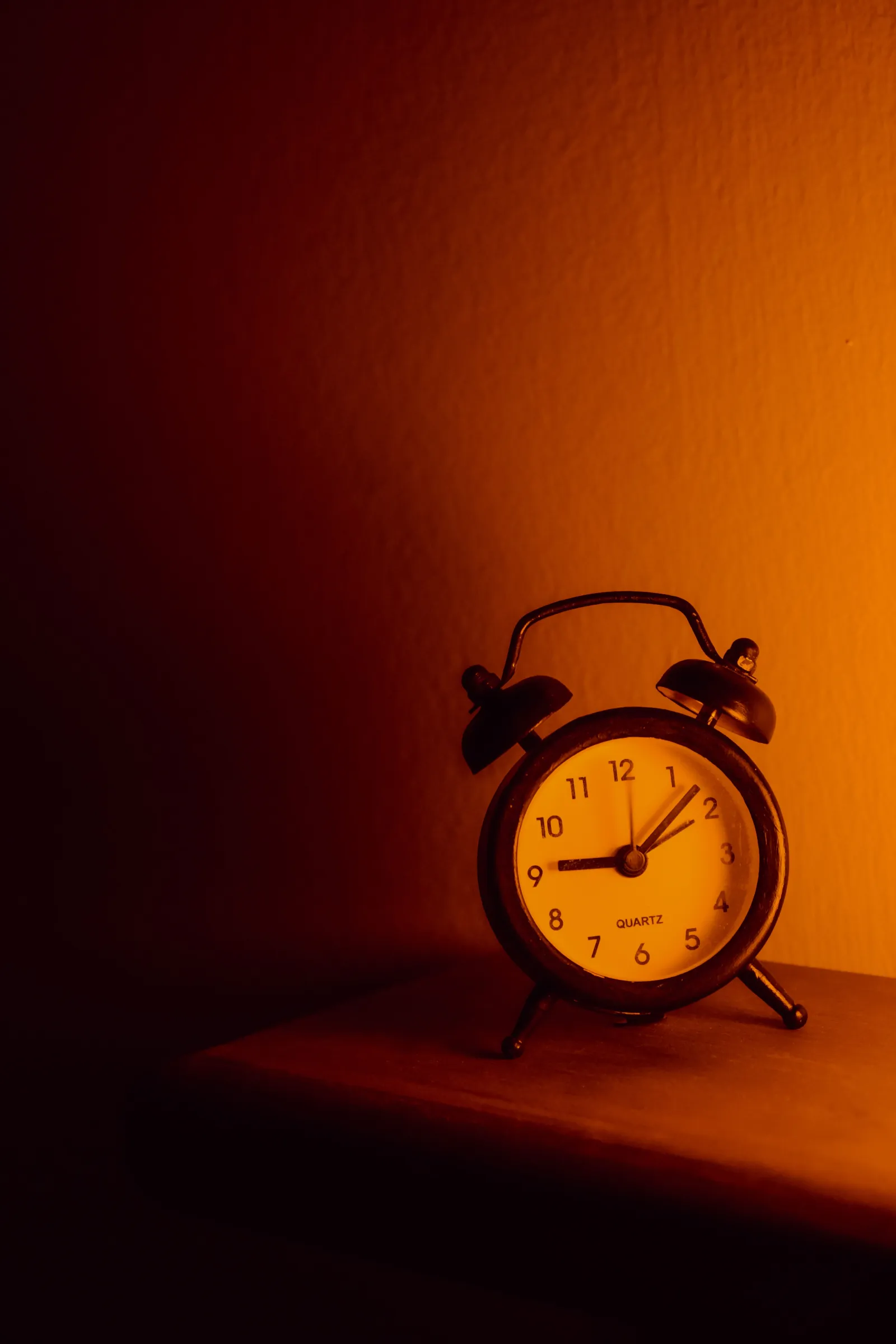
If one symptom defines keto insomnia, it's this one. The trouble isn't falling asleep. It's staying asleep, and waking at almost the same hour every night.
You fall asleep fine. Then, around 3, something tips you awake. You're not groggy. You're alert. Sometimes your heart's going a little. And your brain starts reviewing your entire to-do list, plus one embarrassing thing you said in 2019.
If that rhythm feels familiar, you're probably living the cortisol and blood-sugar explanation from earlier. Overnight, your body is running low on easy fuel. It reads that as a signal and releases stress hormones to rescue your blood sugar. You wake up primed, the exact opposite of what you wanted.
What makes this worth understanding is that it's often fixable. If it's fuel signalling, then what you eat at dinner and how much salt you're getting start to matter more than willpower. We'll get to the fixes in a moment.
When it isn't keto at all
Before you blame dinner, be honest with yourself, because keto insomnia gets used as an explanation for sleep problems that have entirely different causes. Renata's 3 a.m. wake-up had at least three authors.
- Apnea: if you snore, wake gasping, or feel exhausted no matter how long you sleep, that's a doctor conversation, not a diet tweak. Weight loss can help apnea, but the condition needs an actual diagnosis.
- Stress and life: a hard month at work, a sick parent, a move, a breakup. Any of these will wreck your sleep whether or not you're low-carb. Don't hand keto credit for a problem it didn't cause.
- Alcohol: it helps you fall asleep and then ambushes you halfway through the night. That 3 a.m. wake-up has many causes, and a couple of glasses of wine is one of the most common. This was Renata's.
- Perimenopause and hormones: night sweats, waking at 3 or 4, disrupted sleep. This whole cluster can arrive with the hormonal shifts of midlife and will ignore your macros completely.
- Caffeine timing: an afternoon coffee that never bothered you before can bother you now, especially if your sleep is already fragile.
If any of these are in play, the fix might have nothing to do with carbs. That isn't a dodge. It just points you somewhere else.
The fix list
Here's what helps most people, roughly in the order I'd try them.
- Get serious about sodium. The early insomnia is often an electrolyte story. Add salt to your food, and consider a salty drink in the late afternoon or early evening rather than loading it all in the morning. Many people notice a difference within a few days.
- Try a small carb dose at dinner. This is the one people resist on principle and then wish they hadn't. A modest serving of lower-sugar carbs with dinner (a little sweet potato, some berries, a spoon of rice if it suits you) can take the overnight fuel dip and the 3 a.m. wake-up down a notch. This isn't "breaking keto". It's noticing that sleep is part of the plan.
- Move your caffeine cutoff. The Sleep Foundation advises avoiding caffeine at least eight hours before bed. If you're sensitive, make it longer.
- Front-load light and movement. Natural light early in the day and keeping hard exercise away from the late evening both help your body clock find its rhythm again. A morning walk does more for your sleep than a supplement at night, and Ivy will happily come along in the pram.
- Keep magnesium and potassium in the picture. Low-carb eating can run you short on both. Leafy greens, avocado, nuts, and a magnesium supplement in the evening are easy places to start. Some people find it helps. Others don't notice much.
- Protect the basics. Consistent bedtime, a dark cool room, no screens in the last hour. Unsexy, and it works. Renata's version: phone stays in the kitchen, wine down to weekends, and a paperback she actually reads.
- Give it a real two weeks. The early version usually lifts as your body adapts. If it hasn't by week three or four, it's the stubborn kind, so work through the list above rather than gutting it out.
A one-week experiment to find your trigger
You don't need to overhaul everything at once. You need to find out which of the causes above is actually yours, and the way to do that is one variable at a time. This is what Renata did in the second week.
Pick a week. Keep it simple.
- Write down when you go to bed, roughly when you wake in the night, and how you feel in the morning.
- For the first three nights, change nothing. Just watch. Now you have a baseline.
- Then add salt in the afternoon for three nights. Does the wake-up soften?
- Then, if nothing changed, add a small carb dose at dinner for a few nights. Compare.
- Cut caffeine after lunch for the last stretch. Compare again.
You're not trying to nail a perfect routine. You're trying to learn your own pattern, because yours won't be identical to anyone else's. A week of paying attention beats a year of guessing. In Renata's case, the salt barely moved it and the wine mattered a lot, which she'd never have known if she'd changed everything at once.
And if none of it moves the needle, if you're still wrecked after a real effort, that's when it's worth talking to a doctor. Not because keto is dangerous for everyone, but because your sleep matters, and so does getting to the bottom of a problem that's stealing your nights.
You didn't do keto wrong. You just met the part of it that nobody put in the brochure, and that part is often fixable.

Sources
- Keto Insomnia: Is It Real?, Sleep Foundation (medically reviewed by Dustin Cotliar, MD, MPH)
- How effective is ketogenic diet in sleep disorders?, European Psychiatry, 2024
- Ketogenic dietary lifestyle intervention effects on sleep, cognition, and behavior in mild cognitive impairment: Study design, Alzheimer's & Dementia, 2022