By week three, Dev's stomach had turned on him.
For two weeks he had been insufferable about how good he felt. Clear skin, flat stomach, endless energy for code reviews. Then the stomach wasn't flat anymore. It was bloated and tight and gurgling like a washing machine, and he hadn't had a proper bowel movement in four days. He wasn't sleeping well either, and he had started snapping at his roommate's cat, Chairman, for merely existing.
Dev is 33 and writes software, and he had gone full keto in March after a podcast convinced him he was one steak away from peak performance. He went strict: eggs and bacon in the morning, a ribeye or a salmon fillet at night, butter, cheese, and almost no vegetables, because vegetables have carbs and carbs were the enemy.
He didn't understand what had changed. He was eating cleaner than he ever had. He went looking online and found macros, macros, macros, and an ad for a probiotic.
What almost nobody told him: cutting carbs doesn't just change your body. It starves a good chunk of your gut's residents.
Your gut bacteria eat what you eat
Your gut is an ecosystem. Trillions of microbes, mostly bacteria, live in your large intestine, and they aren't passive tenants. They break down the fibre and resistant starch your own body can't digest and turn it into compounds called short-chain fatty acids: butyrate, acetate, propionate.
Those acids do real work. Butyrate feeds the cells lining your colon, helps keep the gut barrier intact, and plays a role in calming inflammation and influencing appetite and blood-sugar signals. When your gut bacteria are well fed and diverse, the system tends to run smoother.
For anyone cutting carbs hard, that's the problem. The food that reaches those bacteria is the food you don't digest: fibre, resistant starch, and certain plant carbohydrates. A strict keto plate of steak, eggs, cheese, butter, and oil is nearly sterile as far as your colon's residents are concerned. It arrives already absorbed, with barely anything left for them.
Keto isn't a total fast for your gut. Vegetables, nuts, seeds, avocado, and a few berries still feed it. But most people who go strict cut their total fibre intake way down, often without realising it. That's the change we're talking about, and it's exactly what Dev, eating ribeye six nights a week, had done.
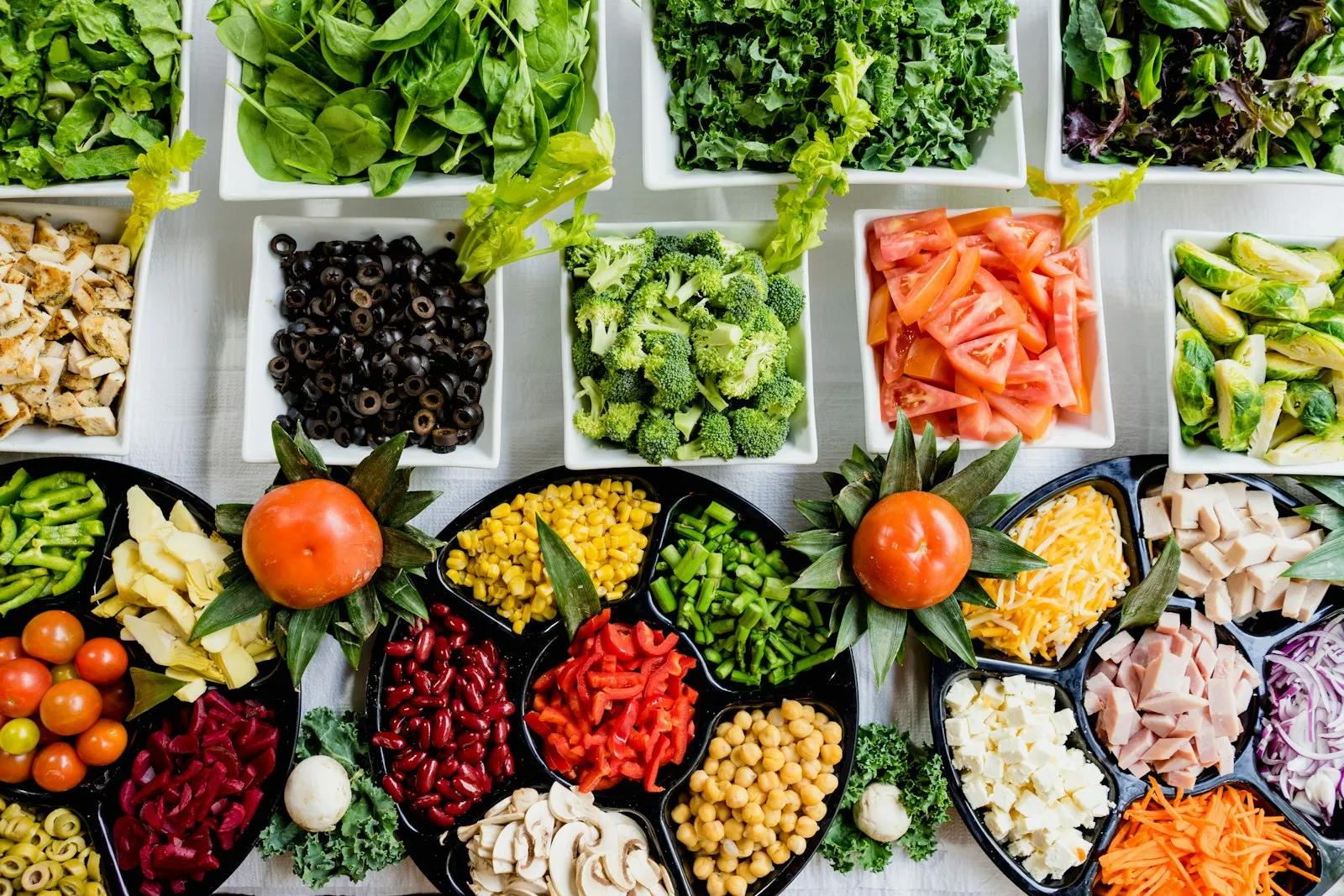
Not all carbs feed your gut equally. The ones that matter are the ones you can't fully digest: the fibre in plants, and the resistant starch in things like cooled potatoes and green bananas. Sugar and white bread are mostly absorbed long before they reach your colon, so cutting them costs your bacteria very little. Cutting the vegetables, legumes, and whole grains is what takes their meal away. A plate of steak and salad isn't the same for your gut as a plate of steak alone.
When carbs collapse
The honest answer: keto reliably changes your gut microbiome. What that change means for your long-term health is a more open question.
The clearest human evidence comes from an eight-week inpatient study published in Cell in 2020. Researchers fed people a very-low-carb ketogenic diet and tracked their gut bacteria. The diet shifted the whole community. Diversity dropped, the mix of species changed, and one group in particular, Bifidobacterium, fell. In the mice in the same study, the researchers also saw a decrease in a type of immune cell in the gut called Th17 cells.
The details matter, and they cut both ways. Eight weeks is short. It was a dramatic, controlled diet, not the loose "I cut bread" version most people run. Mouse findings don't always carry over to humans. So it's a strong signal, not the final word.
A systematic review that pooled human studies on keto and gut microbiota tells a similar story, only messier. The studies are small, short, and inconsistent about what even counts as keto. Still, the same themes keep surfacing:
- Total fibre intake falls on most ketogenic diets.
- The bacteria that produce short-chain fatty acids shift in number and type.
- Bifidobacterium often drops.
- In some studies, Akkermansia, usually painted as a good bug, rises.
- Diversity tends to fall, at least in the short term.
The short version: we know keto reshapes your gut. We're still learning what that does over years. Anyone who tells you it's settled, in either direction, is overselling.
One more thread the research keeps pulling on is bile acids. Fat-heavy diets change how your liver makes bile and how your gut handles it, and certain bacteria respond directly to those changes. That's part of why a low-carb diet shifts the community so quickly. You're removing their food and changing the whole chemical environment they live in. It's also why the effects can feel bigger than "I ate less fibre" would suggest, and why two people on the same diet can end up with quite different guts. Dev and his climbing partner both went keto, and only one of them spent three weeks feeling like a balloon.

The side that gives researchers pause
Not every change is bad. Some of what happens when carbs drop looks interesting.
Less gut inflammation is the headline. The reduction in Th17 cells in the Cell study points toward a calmer immune environment in the gut, at least in mice, and that's the kind of thing researchers studying inflammatory conditions pay attention to. A rise in Akkermansia in some human studies is intriguing too, because that bacterium has been linked to better metabolic markers elsewhere.
There's also a reason some people with digestive conditions feel better on a low-carb diet rather than worse. Fewer fermentable carbs can mean less gas and less bloating for a gut that was struggling to begin with. That's the paradox Dev ran into when he first mentioned his bloating in a group chat and three people told him keto had fixed their digestion.
But keep your scepticism close. A microbiome is a system, not a scoreboard, and "this bug is good, that bug is bad" is a simplification that keeps collapsing under scrutiny. Mouse results often don't travel to humans. A short study can't tell you what a shift looks like after three years. Something is happening here. We just don't get to call it a win yet.
Your gut bacteria aren't waiting for a lecture on macros. They're waiting for fibre, and on strict keto, it doesn't come.
The side nobody warns you about
Here's the part that bites people, the part that had Dev googling "keto constipation" at 1 a.m. with a stomach like a clenched fist.
Constipation is one of the most commonly reported side effects of a ketogenic diet, and the reason is exactly what we've been describing. Cut the fermentable carbs and you cut the fuel for the bacteria that make short-chain fatty acids. Less butyrate means less food for the cells lining your colon, and a colon that gets less fuel moves more slowly. Add the standard keto water and electrolyte shifts, and you get the familiar report: hard stools, bloating, a gut that just feels off.
There's a second cost, fibre diversity. If you used to eat beans, lentils, whole grains, and fruit, those were the fibre heavyweights. They're the first things to go. The vegetables that survive a keto plan help, but many people end up eating far less total fibre than before, from a narrower range of sources.
That combination is why a lot of people hit week three feeling great about the scale and miserable about everything below the belt.

The honest low-carb notes, no dogma, no preach
One short email a week on real food and real life. No product pitches. Unsubscribe any time.
What actually helps
You don't need a supplement to fix this. You need to feed your gut, and most of the tools are in the produce aisle.
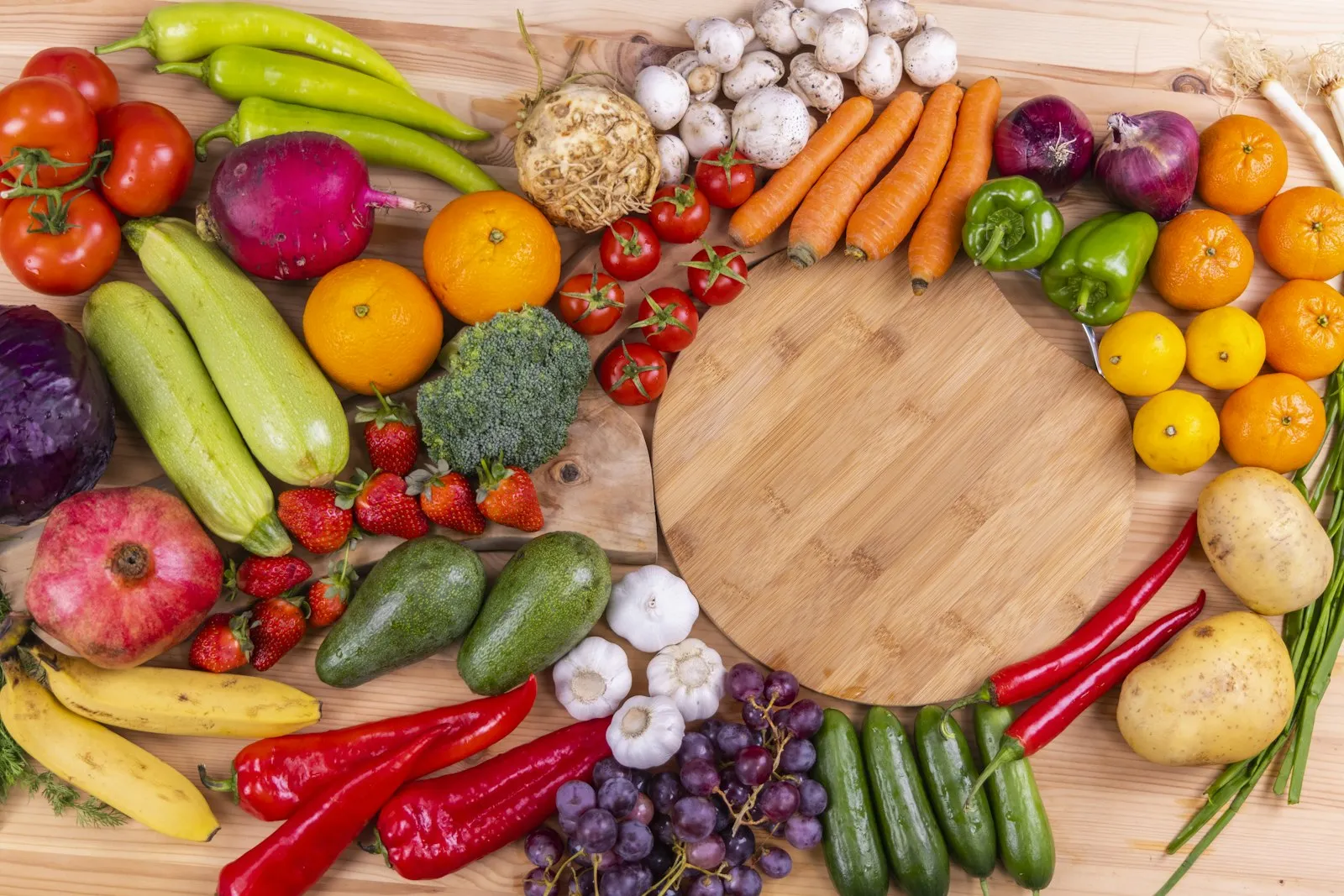
- Get fibre from low-carb food, and add it slowly. Leafy greens, broccoli, cauliflower, cabbage, zucchini, avocado, mushrooms, chia, flax, nuts, and seeds all carry fibre without much carbohydrate. A small serving of berries fits too. Going from near-zero fibre to a huge pile overnight will just bloat you, so build it up over a week or two.
- Add fermented foods. Plain unsweetened yogurt, kefir, sauerkraut, kimchi, and miso supply live cultures and often some fibre as a bonus. Read the labels; some products hide sugar you don't want. They aren't magic, but they're the cheapest way to add variety to a gut that's lost some.
- Watch water and electrolytes. Sodium matters through the whole transition, the same water-and-electrolyte shift that keeps some people awake at night, and magnesium can help with motility if constipation is the problem. Don't shotgun supplements blindly. Fix food and fluids first, and ask a doctor if you're on medication.
- Move. A daily walk does more for sluggish digestion than most people give it credit for. Dev started walking Chairman around the block after dinner, which the cat tolerates and Dev's waistline appreciated.
- Try timing. Some people do better shifting their fibre-rich vegetables and any small carb portion toward the evening, so there's something in the tank overnight.
- Be wary of treating a probiotic as step one. They're not automatically helpful, they cost money, and the evidence for any specific strain is narrower than the marketing. If you experiment with one, treat it as exactly that, an experiment and not a cure.
Two practical notes. Some gut adjustment in the early weeks is normal, and it often settles as your microbiome rebalances around the food that's still arriving. That transitional stretch isn't a sign the diet failed you. It isn't the kind of rough patch that means you should quit; it's your gut negotiating a new menu. But if you have severe pain, bleeding, or symptoms that won't quit, that's a doctor's job, not a blog's.
If you take one practical thing from this section, make it the fibre. Most people who fix their keto digestion don't do it with a supplement. They simply eat more plants than they were eating, from a wider spread of them.
When to loosen the reins
This is where the anti-dogma part belongs, because gut health is one of the clearest cases for treating keto as a tool rather than an identity.
If your digestion is miserable after a fair trial, not a bad day but weeks of it, that's information worth listening to. A stricter diet isn't automatically a better one. Some people do far better on a looser low-carb plan with more fibre-rich vegetables and a slightly higher carb ceiling. Others cycle in fibre-heavy carbs every so often and feel the difference. A more plant-forward version of low-carb is a legitimate option, not a compromise. Dev added roasted broccoli, a big daily salad, and a spoon of kimchi, and got himself back to normal in under two weeks, while keeping his Friday craft beers with his climbing friends and telling nobody about them, because some things are non-negotiable.
You may have seen emerging research on how diet-driven microbiome changes might interact with colon health, including a 2025 Nature Communications paper looking at ketogenic diets, the gut microbiome, and colorectal cancer. It's early work, and it shouldn't make you panic about your dinner. But it's a fair reminder that a way of eating which reshapes your gut bacteria for years deserves some humility, and some monitoring.
Keto isn't dangerous, or wrong. The point is that gut health is individual. Two people can run the same low-carb plan and land in very different places. One feels lean and clear-headed, the other feels backed up and grey. The diet didn't change between them. Their microbiome did. If you're in the second group, the answer isn't more discipline. It's adjusting the plan until your gut can live with it.
No diet gets to be a religion. Your gut gets a vote.
What to take away
- Cutting fermentable carbs starves the bacteria that make short-chain fatty acids. That's the core of what changes.
- Keto reliably shifts your gut microbiome. What that means over the long term isn't settled, and honest sources say so.
- Some shifts look beneficial: less gut inflammation, a rise in certain metabolic-linked bacteria. Others plausibly feed the constipation and low-fibre problems people hit at week three.
- You can stack the odds in your favour with food: low-carb fibre sources, fermented foods, water, electrolytes, and movement.
- Treat keto as adjustable. If your gut is unhappy, that's a reason to tweak, not a moral failing.
Sources
- Dietary fibre, short-chain fatty acids and the gut microbiome, systematic review of ketogenic diets and the human gut microbiota (PMC, Nutrients/Frontiers).
- Ketogenic Diets Alter the Gut Microbiome Resulting in Decreased Intestinal Th17 Cells, Ang et al., Cell, 2020, the eight-week inpatient human and mouse study.
- Cell (2020) full text, same study, publisher copy.
- Ketogenic diet, gut microbiome and colorectal cancer, Nature Communications, 2025.