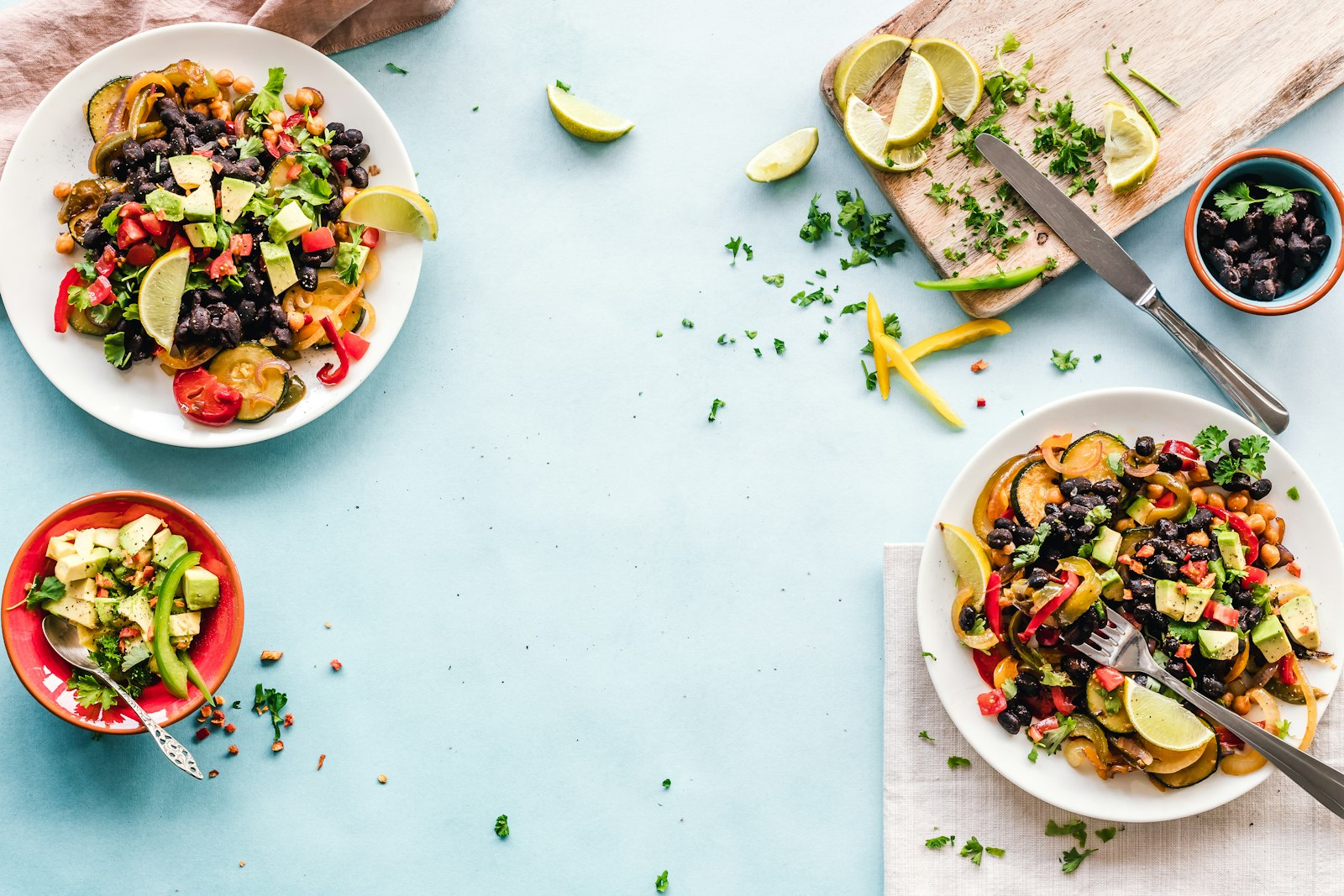
Rob has cooked the same chicken thigh and broccoli sixteen Tuesdays in a row, and he can tell you the exact night he stopped.
It wasn't the night he ate something he shouldn't have. It was a Thursday, late, after a shift that ran long. He got home at twenty past eight, opened the fridge, looked at the raw chicken, and closed the door again. He ordered a pizza. He ate it standing up and felt nothing much, which is somehow worse than feeling guilty.
He'd been low-carb for four months by then and doing well. He didn't quit because he didn't know what to eat. He quit because knowing what to eat and being willing to cook it at eight at night are two different skills, and he only had the first one.
The failure that doesn't look like failure
When people talk about why low-carb diets collapse, they reach for the dramatic reasons. A holiday. A birthday cake. A weekend away.
Look at the actual pattern and it's rarely dramatic. It's the quiet Tuesday. The meal decision arrives at the exact moment you have the least energy to make it, in a kitchen that requires twenty minutes of work before it produces anything, while you're already hungry.
Behavioural researchers call this decision fatigue, and it's been studied for decades. The finding that matters here is simple: the quality of your choices depends heavily on how much deliberate effort each choice costs. When the easy option requires nothing and the good option requires twenty minutes, the good option loses, and it loses most often on the days you're tired, which are also the days you most need it to win.
That's not a character flaw. That's a design problem. You've built a system where the healthy path has friction and the off-plan path doesn't.
You don't quit because you don't know what to eat. You quit because knowing isn't enough at eight at night.

Why cooking your way out of it often doesn't work
The standard advice is to meal prep, and it's good advice with a real ceiling.
Sunday batch cooking takes two to four hours, and it works beautifully until the week you have a work trip, or a sick child, or a project that eats your weekend. Then it's the first thing to go, and it takes the whole week's plan with it. Batch cooking asks you to front-load effort on the one day you're least able to spare it.
There's a second problem, which is that cooking skill and menu range are different things. Most people have four or five low-carb meals they can cook without thinking. Rotate those for two months and the food stops being food and starts being a chore. Boredom kills more low-carb attempts than hunger does, and it kills them quietly, without a single dramatic cheat meal.
And there's a third thing nobody says out loud. If you're the one cooking, you're cooking around everyone else in the house. Your partner wants rice. Your kid wants pasta. You end up making three dinners and eating yours standing at the hob, which is not a sustainable evening, no matter how good the food is.
What buying the cooking back actually changes
A prepared meal service doesn't fix your life. It removes exactly one variable, and that variable happens to be the one that's been knocking your plan over.
The mechanics are boring and they're the entire point. The meal is already cooked. It goes in a microwave and comes out in two minutes. The decision collapses from what do I cook, do I have the ingredients, do I have the energy into which one of these four boxes. You've removed the twenty minutes of friction and the executive decision at the worst possible moment of your day.
There's a real behavioural principle under it, though nobody selling you the food will say it that bluntly. You are far more likely to make the good choice when it's also the easy choice. Every low-carb plan that survives is built on making the good option the path of least resistance on your worst day.
The second thing it changes is variety, which is the underrated half of the problem. A service with a large rotating menu hands you the range you don't have the skill or the time to build yourself, and range is what stops week six from feeling like a punishment.
Range is a skill and a budget. Buying the cooking back buys you some of both.
Low-carb notes, once a week, no dogma
Real food, real weeks, real kitchen maths. Unsubscribe whenever.
What chef-prepared actually means, and what it doesn't
The phrase is doing a lot of work in marketing, so it's worth being precise.
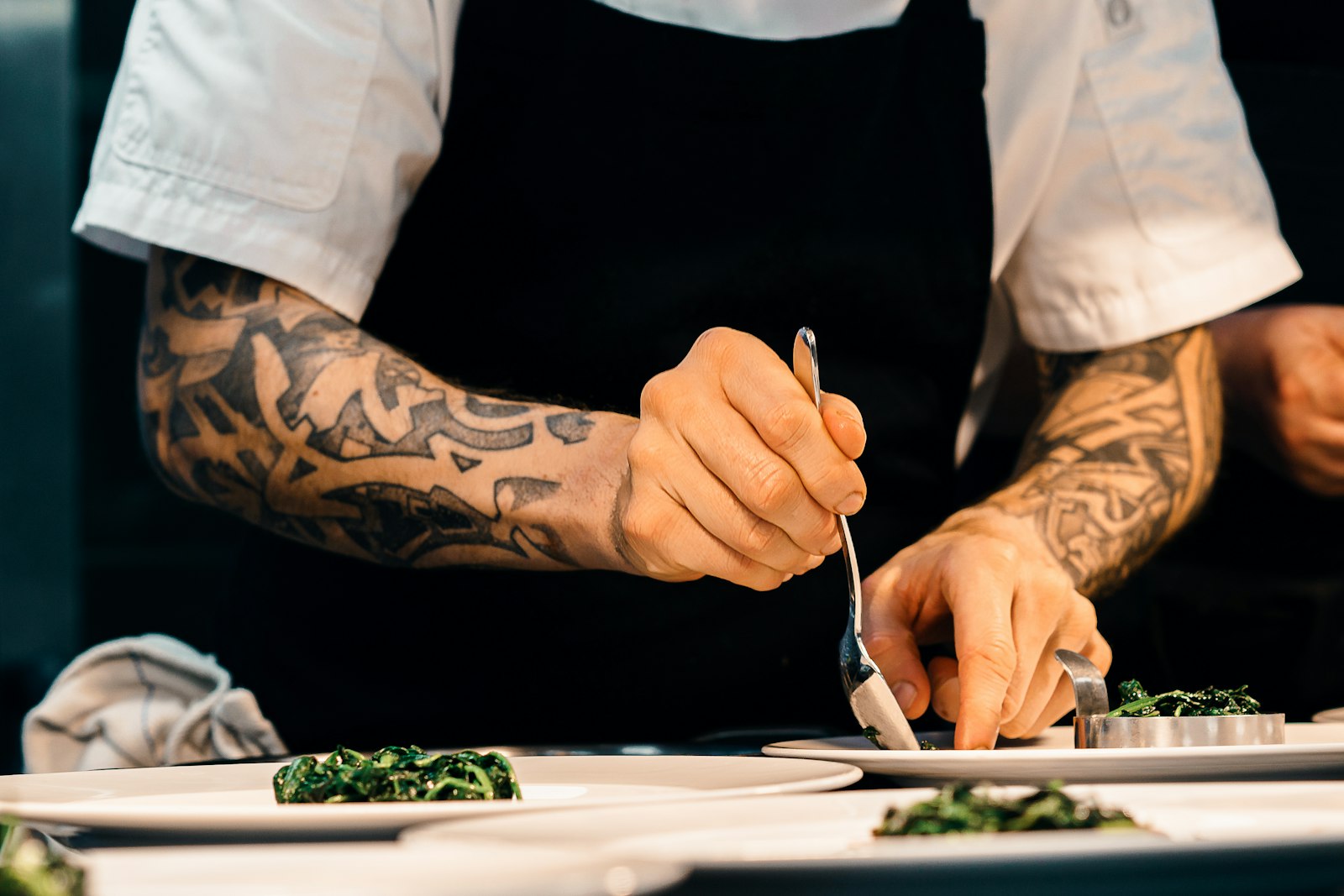
Chef-prepared, in this category, means the meals were developed and cooked by people whose job is cooking, in a licensed kitchen, rather than assembled from packets by a company that also makes aircraft parts. It generally does not mean a Michelin kitchen made your dinner. CookUnity is the example that actually fits the description literally, since its model is individual chefs cooking their own dishes at scale in local kitchens, and its menu runs to several hundred options with new dishes added weekly.
What it does mean in practice is worth listing plainly:
- Someone else did the cooking, the shopping and the washing up.
- The portion is decided for you, which matters more than people admit when they're counting.
- There's enough variety that you don't eat the same four things into oblivion.
- You can skip a week, which is what keeps a subscription alive through a holiday.
What it doesn't do:
- It doesn't teach you to cook, and that's fine if you don't want to learn.
- It doesn't stop you ordering a pizza. It just makes it much less likely at eight at night.
- It doesn't replace the diet itself. You still have to choose the low-carb options on the menu.
The maths to actually run before you subscribe
Prepared meals are not cheap per plate. Run the real comparison before you decide, because the honest answer depends on your week.
Factor in the food you're currently throwing away, which is usually more than you think. Factor in the takeaway you order on the bad nights, which is where the money actually leaks. Then factor in your own hourly rate and how many hours a week of cooking and shopping you'd be buying back. If you earn well and your evenings are scarce, the per-meal price starts looking different. If money is tight and your time is cheap, it's a luxury and it's fine to say so.
One thing worth watching is the skip and pause feature. A service you can pause is a service you keep. A service that charges you through a holiday month is a service you cancel in anger.
That's the honest case for it. Not that it's better than cooking, but that it's better than not eating the way you want on the nights you can't cook. For the weeks where the kitchen is the thing standing between you and the plan, a chef-crafted meal delivery service with a dedicated keto menu is what it looks like when you decide to buy that variable back rather than fight it again.
If you want to go deeper, judging organic meal kits and what farm-sourced prepared meals get right pick up where this leaves off.
Sources
- CookUnity: chef-crafted meal delivery, menu and plan details. https://www.cookunity.com/
- Decision fatigue and the self-control of choices: review of the evidence. Proceedings of the National Academy of Sciences, 2011. https://www.pnas.org/doi/10.1073/pnas.1018033108
- CookUnity: how it works, weekly plan structure. https://www.cookunity.com/our-menu
This article is educational, not medical advice. If you're pregnant, managing a chronic condition, or taking medication, talk to a qualified professional before making significant changes to how you eat.