The reply came in under a minute.
Dane had posted a photo of his dinner, a bunless double cheeseburger he'd eaten in the car between rides, and a stranger in the group had written, kindly, "That's dirty keto. If you want real results you need to eat clean."
He didn't eat clean that night. He ate a burger, because he was hungry and tired and it was the truth. And a small, quiet voice asked him the question that ends a lot of low-carb attempts: if my keto isn't the real thing, why call it keto at all?
Dane is 41. He drives for a rideshare company by day and stocks shelves at a supermarket four nights a week. He eats low-carb because it's the only thing that has ever moved his blood pressure in the right direction, and because it doesn't require him to cook from a recipe at 11 p.m. after closing. His version of keto looks like that burger, a gas-station cheese-and-meat tray, and a rotisserie chicken eaten standing up over the sink. Some days it's better than that. Some days it isn't. He is doing his honest best inside a life that has very little room in it.
That voice is worth taking apart, because the war it comes from isn't about nutrition. It's about status and product marketing, and it does real damage to people who were doing fine until someone told them they weren't.
A hierarchy invented to sell you something
The clean-versus-dirty split didn't come out of nutrition science. It drifted in from two places that have nothing to do with your blood sugar.
The first is the old Atkins-era habit of ranking foods by purity, a leftover from low-carb dieting's earliest days, when certain foods were treated as approved and others as cheating. The second is the broader "clean eating" wave of the 2000s and 2010s, which turned food choices into a moral identity. You were either eating clean or you were being bad. Keto arrived in the middle of that mood and borrowed its language wholesale.
Then the money found it.
The moment "clean" exists, "clean" becomes a shelf. Grass-fed beef costs more than regular beef. Organic eggs cost more than eggs. Cold-pressed oil, MCT powder, exogenous ketones, keto-certified bars, premium sweeteners. Every one of those products needs a reason to exist, and the clean/dirty ladder is that reason. The ladder isn't a measurement you can take. It's a sales floor with steps painted on it.
See how neatly it works. To sell the "clean" product, you don't have to prove it makes anyone healthier. You only have to imply that the alternative, the ordinary egg or the regular beef or the food most people already buy, is somehow beneath the person holding it. That's far cheaper to manufacture than evidence. You don't need trials. You need a hierarchy and a shelf. And the man eating a drive-through burger between two rides is exactly the customer the ladder wants to make feel small.
If a word only ever shows up next to a price tag, it isn't nutrition advice. It's a brand.
The dirty word was always about class
Here's the part the keto internet mostly avoids: "dirty keto" is very often a politer way of saying "cheap keto."
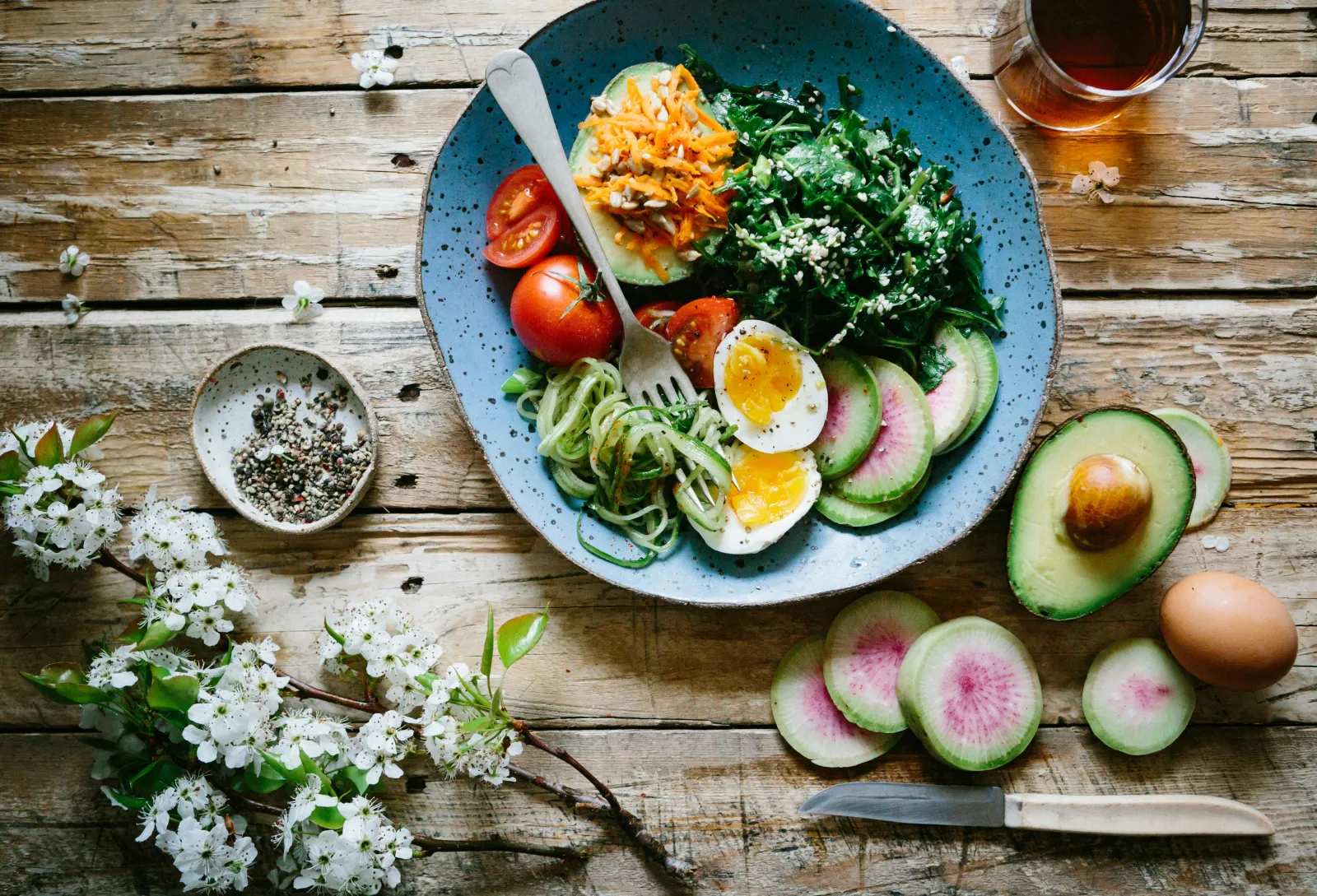
Look at what actually lands on the dirty list. Fast food. Convenience-store snacks. Meal shakes. Frozen dinners. Gas-station bars. Now look at who eats those things. People working two jobs. People without a car. People with no hour left to cook. People shopping at whichever store is closest to home. The clean list, all grass-fed and organic and pastured and artisanal, is priced for people with money and time to spare. The two lists aren't describing nutrition. They're describing budgets.
So when someone calls your dinner "dirty keto," hear what's underneath. It's rarely "that food is nutritionally worse for you." It's usually "that food is what you buy when you can't buy what I buy." A food hierarchy built on expense is a class hierarchy wearing a lab coat.
And the cruelty is in where it lands. Lowering carbs already asks for the two things the hardest-pressed people have least of, money and time. Adding "and also your version is shameful" on top isn't holding a higher standard. It's a locked door, bolted from the inside, and it's usually bolted by people who never had to choose between a steak and the rent. Dane works sixty-something hours a week and has his daughter, Maeve, every second weekend, and he still hears that his effort doesn't count because the cheese wasn't artisanal.
What the medical people actually say
Put the hierarchy up against its own evidence.
Diet Doctor, one of the most careful low-carb resources online, does not hand down a clean-versus-dirty verdict. Its own guide to dirty and lazy keto treats the simpler approach as a legitimate starting point rather than a sin. The framing is practical, even warm: a version someone can actually keep tends to beat a version they quit, and the purpose was never purity in the first place.
Diet Doctor's evidence-based keto guide makes the same move at a larger scale. It says plainly that keto isn't one diet. It's a range, with different carb levels, different food lists, and different results for different people. The question worth asking is never "is this the purest keto?" It's "does this work for this person, on this body, in this life?"
Read that again, because it's coming from a medical team, not a blogger with a discount code. There is no single gold standard of keto. There's an idea, lower the carbs and watch what happens, and a thousand ways to run it. Calling some of those ways fake isn't science. It's theology with a nutrition sticker on it.
The mainstream keto-content machine reinforces the opposite, of course. Look across the biggest keto blogs and the pattern is obvious: endless food-permission lists, endless "what to eat and avoid" tables, endless "the right way" framing. FeedSpot's roundup of the top keto blogs is a good map of how saturated that identity content is. Nearly every one competes on the same axis of telling you which foods are approved. Very few say the thing that actually helps: that the ranking was never real to begin with.
The trade-offs that matter, without the moralism
Honesty now demands the other half. Clean vs dirty isn't entirely meaningless. There are real differences between a plate of steak and vegetables and a plate of keto-branded junk. But the differences are practical, not moral. Three that count:
- Whole food carries the vitamins, minerals, and the fibre your gut bacteria actually live on. A processed bar usually doesn't. If nearly all your calories come from "keto products," you can hit your macros and miss your micronutrients.
- Cooked protein and fat tend to hold you longer than a shake does. If you're hungry again two hours later, that's information about the food, not a report on your willpower.
- The "clean" list is the expensive one, ironically. Whole-food low-carb on a tight budget is perfectly possible (eggs, ground meat, frozen vegetables, canned fish), but it takes planning and hours not everyone has spare.
Notice what's missing from all three. The word "should." They describe food. They don't grade the person holding the fork. There's a real distance between "this food is more nutritious" and "you are a lesser person for eating that," and almost the entire clean/dirty war lives in that gap.
The trade-offs aren't permanent, either. The "dirty" version is often just the version you're starting with, and starting is most of it. Dane living on bunless drive-through burgers in month one is still someone who cut the sugar and kept the carbs down, and he can add whole food next month, when he has the bandwidth. That's not a fallback plan. That's how change actually happens in a real week, which never arrives with spare room in it.
A better meal and a better person are two different things. The war pretends they're the same.

How "I'm doing dirty keto" turns into quitting
Now the mechanism that makes all of this more than internet noise.
Shame is a bad coach. When you tell someone their effort is impure, you don't nudge them toward better. You hand them a reason to stop. And the logic is instant, almost automatic. If my keto isn't the real thing, why bother calling it keto at all? If I can't afford the clean version, maybe I'm not cut out for this. Maybe I should just quit and stop failing at something I was never doing right.
That sentence is the exit, and it's always standing open. The whole point of the purity ladder is that it lets anyone, a stranger in a comment thread, a creator chasing engagement, a brand selling grass-fed butter, declare your effort invalid without ever tasting a bite of it. Effort you can't protect is effort you eventually abandon.
Here's the part the gatekeepers never mention. The person eating a bunless burger and a side salad at 9 p.m. after a double shift is doing something hard. They held the line on a day that gave them nothing. Then a stranger on the internet tells them it doesn't count, and next week they order the bun. That's not a discipline failure. That's a shame spiral with a witness, and it's one of the real reasons people quit keto, with nothing to do with the food.
And the witness is usually a screen. Most of this war is fought in comment threads and short videos, where the loudest voice wins and nuance travels badly. Nobody posts "I eat a simple low-carb diet, some days it's steak and some days it's a shake, and it's working fine." That sentence doesn't get engagement. "If it's not clean, it's not keto" does. So the algorithm quietly promotes the strictest take, and the ordinary person watching concludes that ordinary is failure.

People don't quit keto because the food was wrong. They quit because someone told them their effort didn't count.
Get the honest low-carb notes, no dogma, no purity police
One short email a week. Real food, real budgets, unsubscribe whenever.
Your version, on purpose
Here's the permission you may not have realised you were allowed to take.
- Name your version plainly. "I eat simple low-carb" beats any label with a moral attached. What matters is that you know what's on your plate and why it's there.
- Set a floor, not a ceiling. Decide the minimum you'll actually hold (protein at every meal, no sugar on weekdays, whatever is true for you) and let the rest be negotiable. A floor you keep beats a ceiling you break.
- Upgrade when you can, not when you're told. If money and time allow, adding more whole food is a good move. Do it as an upgrade you chose, never as penance you owe. For some people that upgrade is simply buying back the cooking: a prepared meal service that fits a real week is a convenience you chose, not a purity purchase.
- Ignore the purity police, including the credentialed ones and including me. Nobody posting about keto lives in your kitchen, on your budget, inside your week. You don't need their permission. You never did.
Dane kept going. He didn't delete the group, but he stopped posting his dinners in it, and he stopped measuring himself against strangers' plates he couldn't afford. He still smokes the stress cigarette he has behind the wheel when a shift has gone sideways, and he still drinks cheap beer with his brother on Sundays. He still eats the drive-through burger when the shift runs long. He also added a bag of frozen broccoli to the rotation and a rotisserie chicken he actually sits down to eat, because it was cheap and it worked. It isn't fixed. It's just still going, and that counts for something.
The goal was never to eat the purest keto. It was to feel better in a body you have to live in, on a schedule that's already full, beside people who don't share your priorities. A version you can keep for a year beats a perfect version you can keep for a week. Every time.
That's the entire war, really. One side sells a standard. The other side lives an actual life. Pick the life.